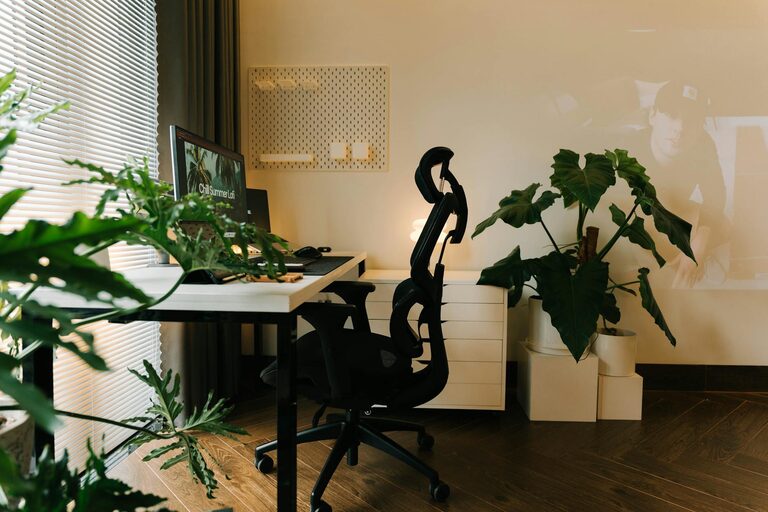

Creating a home workspace that is both cozy and productive is essential for anyone working remotely or spending significant time on personal projects. Your environment greatly affects your focus, motivation, and overall well-being, making it important to design a space that supports both comfort and efficiency. In this post, we’ll explore helpful tips to transform any corner of your home into an inspiring and practical workspace.
Why a Cozy Workspace Matters
A cozy workspace feels inviting and personal, which can reduce stress and encourage longer, more focused work sessions. When your workspace is comfortable, you’re more likely to enjoy your tasks and avoid burnout. On the other hand, productivity depends on organization, lighting, and minimizing distractions. Balancing these elements creates an environment where you can thrive.
Choosing the Right Location
Consider Natural Light
Pick a spot in your home with plenty of natural light if possible. Sunlight boosts mood and helps regulate your internal clock, making you feel more alert and positive. Position your desk near a window but avoid direct glare on your screen.
Minimize Noise
A quieter area reduces distractions. If complete silence isn’t possible, consider using noise-canceling headphones or a white noise machine to maintain focus.
Separate Work and Relaxation Zones
Try to keep your workspace distinct from your relaxation areas. This separation helps your brain recognize when it’s time to work and when it’s time to unwind.
Furniture and Ergonomics
Invest in a Quality Chair
A comfortable, supportive chair prevents back pain and increases your ability to sit productively for longer periods. Look for chairs with adjustable height and good lumbar support.
Choose the Right Desk
The desk should match your needs and available space. Whether you prefer a standing desk or a traditional one, ensure it fits your equipment comfortably and leaves room for writing or organizing materials.
Set Up Your Screen Properly
Position your computer monitor or laptop screen at eye level to reduce neck strain. Using a laptop stand or external monitor can help achieve this.
Organizing Your Workspace
Declutter Regularly
A tidy desk reduces stress and distractions. Use drawers, shelves, or organizers to keep supplies out of sight but easily accessible.
Use Functional Storage
Incorporate storage solutions like bins, file holders, or wall-mounted shelves to keep your workspace orderly and efficient.
Personalize Thoughtfully
Add personal touches—such as plants, artwork, or favorite photos—that make your space feel inviting without overcrowding it.
Lighting and Ambience
Layer Your Lighting
Besides natural light, add ambient lighting like overhead lights, and task lighting such as desk lamps. Adjustable lamps are useful to reduce eye strain during different times of the day.
Choose Warm Light Bulbs
Warm-toned bulbs create a cozy atmosphere. They can make your workspace feel more comfortable and less clinical.
Control Glare and Shadows
Position lights to avoid glare on screens or creating distracting shadows. Adjustable lighting and curtains or blinds can help manage this.
Setting Up for Productivity
Create a Daily Routine
Having a routine signals your brain it’s work time. Start your day with a consistent morning ritual and set clear working hours.
Limit Distractions
Turn off non-essential notifications and put your phone on silent or in another room when possible. Use apps that help block distracting websites during work periods.
Keep Essential Tools Handy
Keep your most-used supplies, such as pens, notebooks, or chargers, within arm’s reach to avoid interrupting your workflow.
Incorporate Comfort and Wellness
Add Plants
Plants improve air quality and add a calming, natural touch. Easy-care plants like succulents or pothos require little maintenance.
Stay Hydrated and Take Breaks
Keep a water bottle nearby and schedule regular breaks to stretch or walk. Standing up and moving helps prevent fatigue and improves concentration.
Use Comfortable Textiles
Consider adding a cozy throw blanket or cushion to your chair for extra comfort during long work sessions.
Final Thoughts
Designing a home workspace that balances comfort with functionality doesn’t require a big budget or lot of space. Small changes like optimizing lighting, adding plants, and organizing efficiently can make a huge difference in your daily work experience. By creating a cozy and productive environment, you set yourself up for success and well-being.
Remember, your workspace should reflect your needs and style. Feel free to experiment and adjust as you find what works best for you. Happy working!